Discover Homemade Comfort at Pie Cafe Colorado Springs
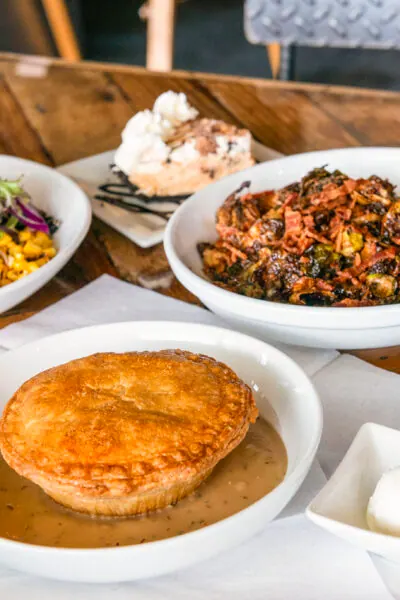
There is a particular kind of comfort that only pie delivers well. Not dessert in the broad, generic sense, and not the kind of pastry that looks better on a phone screen than it tastes on a plate. Pie is different. It asks for patience, good ingredients, a practiced hand with dough, and enough confidence to let simple flavors speak for themselves. When people search for a pie cafe Colorado Springs experience, that is usually what they are hoping to find, whether they say it out loud or not.
They want a place that feels grounded. A cafe where the food arrives warm, the crust flakes instead of crumbling into dust, and the filling tastes like fruit, butter, spice, and skill rather than corn syrup and shortcuts. They want a room that slows the day down a little. Maybe it is breakfast before work, a quiet lunch, a late afternoon coffee, or a slice shared after a long stretch of errands. The details matter, because pie is one of those foods that exposes every compromise.
Colorado Springs is a city with an interesting appetite. It has the outdoor energy of a place where people hike in the morning and still want something substantial afterward. It also has a strong appreciation for local businesses that feel personal rather than polished into sameness. In that kind of setting, a pie cafe makes sense. It meets people where they are. It can be casual without being careless, nostalgic without becoming stale, and familiar while still giving a cook room to show off real technique.
Why pie still matters in a cafe setting
A lot of cafes do one or two things very well and let the rest of the menu fade into the background. Coffee might carry the room. Sandwiches may be competent but forgettable. Pastries can lean heavily on appearances. Pie changes that dynamic because it demands commitment. A cafe that bakes good pie usually has standards that show up elsewhere too.
You can see it in the way ingredients are handled. Fruit fillings should keep some structure. Apple slices ought to taste like apples, not sweetened mush. Berry pies need enough thickener to hold their shape, but not so much that every bite turns gummy. Cream pies require restraint. It is easy to drown them in sugar and whipped topping. It is harder to make them balanced, where the custard has depth and the crust still contributes texture.
Savory pies tell an even clearer story. A chicken pot pie, for example, reveals whether a kitchen understands seasoning, stock, roux, and moisture control. Too much liquid and the bottom crust gives up. Too little and the filling feels stingy. The best versions are generous without being sloppy. They hold heat, smell rich, and eat like a full meal rather than a novelty.
That is why a pie-focused cafe often feels more satisfying than a broader, trend-driven bakery. It is not trying to keep pace with every passing idea. It is working within a format that rewards consistency and craft. You taste the result immediately.
The feeling people are actually searching for
When someone types pie cafe colorado springs into a search bar, they are usually looking for more than directions. They are chasing a mood. Part of it is nostalgia, of course. Pie carries a strong emotional charge for many people because it is tied to family tables, holidays, weekend baking, and recipes that lived on index cards long before they lived online.
Still, nostalgia alone does not keep a cafe busy. People return because the experience works in the present tense. The room feels welcoming. The service is attentive without hovering. Coffee is hot and refilled before it turns into an afterthought. The pastry case tempts, but it does not feel theatrical. There is confidence in understatement.
A good pie cafe also understands pace. Some customers are coming in for a fast weekday bite. Others want to linger. The trick is to serve both without making either feel out of place. That often comes down to small operational choices, the layout of the room, the spacing of tables, how quickly slices are plated, whether savory options can carry lunch service, and how naturally the staff can talk someone through the difference between a seasonal fruit pie and a custard-based option.
This is where many places separate themselves. Homemade comfort is not only in the recipe. It is in the rhythm.
What distinguishes truly homemade pie
Anyone can hang the word homemade on a sign. Not everyone can support it on the plate.
Crust is the first giveaway. Real pie crust should have variation. It should show layers, slight differences in browning, and an edge that looks shaped by hand rather than stamped into uniformity. That does not mean it has to be rustic in the careless sense. Precision can still look human. But the best crusts have life to them. They crackle lightly under a fork. They do not taste flat. You should catch butter, flour, maybe a trace of salt, and that toasty note that only comes from proper baking.
Fillings tell the second half of the story. In fruit pies, homemade usually means the sugar level is calibrated to the fruit itself. Early season peaches need https://felixokyu290.image-perth.org/a-sweet-escape-awaits-at-pie-cafe-colorado-springs different handling than late summer peaches. Tart cherries ask for a different balance than sweet apples. A kitchen that bakes from scratch adjusts. A kitchen that relies on fixed, preprocessed filling often cannot.
Texture matters just as much as flavor. Fruit should not dissolve into sameness. Custard should not be rubbery. Chocolate pies need a clean finish rather than a waxy one. Meringue, if present, ought to taste lightly toasted and stable, not weepy. These are not fussy standards. They are basic signs that someone is paying attention.
One of the pleasures of visiting a pie cafe is noticing that attention in small moments. Maybe the lattice on a seasonal pie is imperfect in the best way. Maybe the hand pies rotate with what is available rather than what is easiest to source year-round. Maybe the savory pie of the day sells out because the kitchen made a realistic amount instead of overproducing. Scarcity can be inconvenient, but it can also be proof that food is being made with judgment.
Colorado Springs is built for this kind of food
Some foods belong naturally to certain places, and pie suits Colorado Springs better than people sometimes realize. This is a city where weather can turn brisk quickly, where mountain views somehow sharpen the appetite, and where people tend to appreciate food that feels honest. After a windy afternoon, a warm slice of pot pie or a fruit pie with coffee simply makes sense.
There is also something practical about pie in a city like this. Residents and visitors often spend a lot of time in motion. They may be moving between neighborhoods, heading to a trail, coming down from higher elevations, or meeting family after an outing. Pie works in all those contexts. It can be breakfast if paired with coffee and not too much ceremony. It can be lunch if the savory menu is strong. It can be dessert, obviously, but it can also be a pause.
I have always thought certain foods reveal what a city values, and pie suggests values that wear well: patience, thrift without stinginess, pleasure without excess, and a willingness to revisit tradition because it still satisfies. Not every dining trend ages gracefully. Pie usually does.
Sweet pies, savory pies, and the art of balance
The strongest pie cafes resist the temptation to treat sweet pies as the only real event. Dessert may draw customers in, but savory pies often earn loyalty. A well-built menu creates balance between the two.
Sweet pies deliver immediate charm, especially if the selection changes with the season. Apple is often the benchmark because it looks simple and rarely is. The cook has to choose the right variety or blend of varieties, cut them evenly, season them with care, and bake the crust long enough to avoid a soggy bottom. Pumpkin tests a different skill set. It needs a filling with body and spice, but not so much spice that the squash disappears. Berry pies can be beautiful or disappointing depending on how they are thickened. Good ones taste bright and focused. Bad ones leak purple syrup into every corner.
Savory pies carry more risk and more reward. They ask customers to trust the cafe with a full meal, not just a treat. Done well, they become the reason people visit during midday. Chicken pot pie is the classic reference point, but beef, vegetable, turkey, and regional variations all have room if the execution is careful. The crust has to support the filling. The filling has to be substantial enough to feel worth the fork. Salt, herbs, and aromatics need to land clearly.
What matters most is that neither side of the menu feels token. You can tell when a place really believes in pie as a format and not just as a dessert case accessory. There is conviction in the menu when both sweet and savory versions receive equal respect.
Coffee, tea, and the supporting cast
A pie cafe can ruin a strong slice with weak coffee. That may sound severe, but the pairing is too natural to ignore. Coffee should be fresh, hot, and sturdy enough to stand beside butter-rich pastry. It does not need to be complicated. In fact, simple drip coffee often serves pie better than an overengineered drink loaded with syrup. Tea has its place too, especially with lighter fruit pies or cream-based slices.
The broader supporting cast matters more than many owners realize. Whipped cream should taste like cream. Ice cream, if offered, should add contrast rather than bury the pie under sugar. Soup alongside a savory slice can turn lunch into something memorable. Salads need enough acid and texture to cut richness if they appear on the plate. None of these are side issues. They shape whether the experience feels complete.
I have seen plenty of cafes underestimate this. They make one excellent pie, then surround it with forgettable accompaniments and wonder why return visits taper off. People rarely come back for a single good item alone. They come back for a reliable combination of flavor, comfort, and ease.
Atmosphere is not decoration, it is function
When people talk about atmosphere, they often focus on style. Is it cozy, bright, rustic, modern? Those things matter, but function matters more. In a pie cafe, atmosphere should support appetite and conversation. Seating should be comfortable enough for a full meal. Noise should not force people to rush. Display cases should tempt without making ordering awkward. Lighting should flatter the food, not bleach it out.
The best pie cafes understand that warmth is built from many practical decisions. The room may smell faintly of baking fruit or toasted crust, which no scented candle can imitate. Tables are spaced so that customers do not feel packed in. Staff know when to explain and when to step back. The menu is clear. Portions are honest. The setting invites repeat visits because it removes friction rather than performing charm.
That kind of comfort can be difficult to fake. You recognize it quickly when it is real.
How to judge a pie cafe on the first visit
A first visit tells you a lot if you know where to look. Start with the crust. Even before tasting, it should look baked through, not pale or greasy. Then pay attention to temperature. Fruit pie served slightly warm or at room temperature can be lovely, but it should never feel neglected. Cream pies should be properly chilled. Savory pies need enough heat to release aroma and soften the filling without becoming molten.
Look at portioning as well. Oversized slices often compensate for mediocre quality. Reasonable portions usually signal confidence. A cafe does not need to bury the plate to prove value. Value comes from satisfaction.
You can also learn from what is unavailable. If several pies are sold out later in the day, that may be frustrating, but it often means the kitchen bakes in measured batches rather than holding inventory forever. There is a trade-off. You lose certainty, but you gain freshness. Experienced diners usually accept that bargain, especially when the staff handles it honestly and can recommend an alternative.
Service reveals almost as much as the pastry. If a server can describe the difference between two fruit pies, explain which crust is richer, or suggest what pairs well with coffee, that signals training and pride. If every answer sounds memorized or vague, the kitchen may still be good, but the overall experience will feel thinner.
Seasonal change is a sign of life
One of the joys of a strong pie cafe is watching the menu move with the year. Seasonal variation is not just a marketing tactic. It is often the best way to keep pies tasting alive.
Spring can favor brighter profiles, maybe lemon, rhubarb, or lighter cream-based options. Summer should belong to berries, stone fruit, and ripe flavors that need less embellishment. Fall tends to bring apples, pumpkin, pecan, and deeper spice notes that fit the weather naturally. Winter can support richer textures, denser custards, and savory offerings that feel almost restorative.
A static menu is not automatically a bad one. Signature pies deserve permanence when they are truly excellent. But some degree of seasonal rotation usually indicates that a cafe is buying and baking with attention instead of defaulting to convenience. It gives regular customers a reason to return and keeps the staff engaged with the product.
That changing rhythm is part of the homemade appeal. It reminds people that food exists in time, not only on menus.
Why local pie shops often outlast trendier concepts
Trend-driven food businesses can draw a crowd quickly, but they often struggle to build habits. Pie cafes, when run well, tend to inspire habit. They fit into real life. Someone can stop in alone without feeling awkward. Families can share a table comfortably. Older regulars and younger customers can both find something familiar. Prices, while never immune to broader costs, often feel more justifiable because the food reads as substantial.
There is also a practical wisdom to pie as a business. It travels reasonably well, works for dine-in and takeout, and can support multiple dayparts. A cafe that handles pie, coffee, and a few thoughtful meal options can build steady traffic without chasing every novelty. That stability matters in a market where rents, labor, and ingredient costs keep moving.
From a customer perspective, local pie shops often win because they feel less abstract. You understand what they are trying to do. If they do it well, trust builds quickly. Trust, more than trend, is what keeps neighborhood food businesses alive.
Making the most of a visit
If you are planning to explore a pie cafe Colorado Springs option, timing can shape the experience. Midmorning often gives you the best chance of seeing the full range before popular slices disappear. Late lunch can be ideal if you want a quieter room and are curious about savory pies. Early evening sometimes offers a more relaxed pace, though selection may narrow.
Go in with some flexibility. The pie you expected to order may be gone, and that is not always bad news. Some of the best cafe experiences come from taking the staff recommendation or trying the seasonal pie you would normally skip. A cautious apple pie person may end up converted by a well-made peach filling or a balanced chocolate cream. A diner focused on dessert may discover that a savory pie is the real standout.
If you are sharing, order across categories. One sweet, one savory, coffee for the table, maybe a second fork if needed. Pie reveals itself differently that way. Richness, spice, sweetness, and texture all become easier to appreciate in contrast.
Homemade comfort is earned, not advertised
The phrase homemade comfort gets used loosely, but at a good pie cafe it means something exact. It means ingredients treated with respect. It means dough mixed with care, not just assembled. It means fillings that taste of the season, not the warehouse. It means a room designed for people to feel settled, fed, and welcome enough to return.
That is the real promise behind the search for pie cafe Colorado Springs. People are not only looking for dessert. They are looking for a place where food still feels personal. A place where craft is visible, where warmth is built into the menu and the room, and where a slice of pie can carry more satisfaction than flashier meals manage in twice the time.
When a cafe gets that right, the experience lingers. Not because it was extravagant, but because it was true to its purpose. Pie has always been good at that. It does not need reinvention to matter. It simply needs to be made well, served thoughtfully, and allowed to do what it has always done best, offer comfort that feels both humble and complete.
3.14 Pi Bar
5152 Centennial Blvd
Colorado Springs, CO 80919
(719) 314-6172
FAQ About pie cafe colorado springs
Does 3.14 Pi Bar serve sweet and savory pies?
Yes. The café serves savory pot pies and seasonal sweet pies made from scratch. Flavors can vary.
Can I order a whole pie to take home?
Yes. The café sells whole sweet pies to take home. Check the current menu for flavors and ordering options.
Does 3.14 Pi Bar offer take-and-bake pies?
Yes. The café offers prepared pies that you can bake at home. Check the current menu for available varieties.