How Pie Cafe Colorado Springs Brings Homemade Flavor to Every Slice
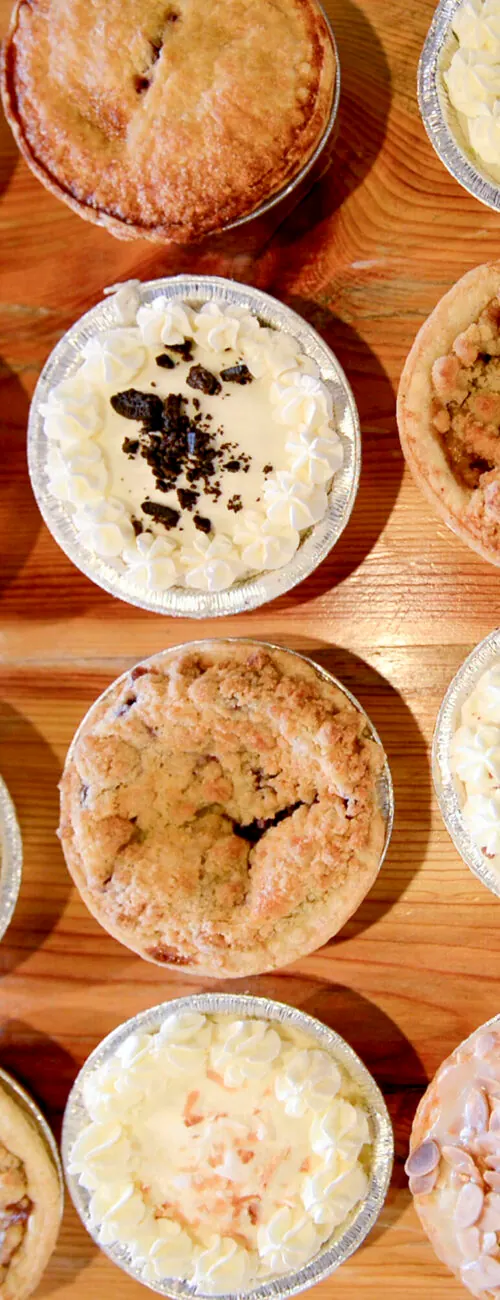

Walk into a bakery that takes pie seriously and you can tell almost immediately whether the place understands the craft or merely sells the idea of it. The smell gives one clue. Real butter carries differently than shortening. Fruit cooked that morning has a brighter, cleaner aroma than canned filling warmed through. Even the look of the crust matters. A hand-shaped edge has slight variation. It never appears factory-perfect, and that is often the point.
That is why the appeal of a place like Pie Cafe Colorado Springs goes beyond dessert. A strong pie shop is built on habits that customers may not see directly but recognize in the finished slice. Dough is mixed with restraint rather than overworked. Fillings are balanced so the fruit tastes like fruit and the sugar supports rather than overwhelms it. Cream pies hold their shape without turning rubbery. Savory pies arrive hot, structured, and deeply seasoned. None of that happens by accident.
Homemade flavor is one of those phrases people use loosely, yet it means something specific in pastry. It means a pie tastes as though a person made dozens of small judgment calls at the right moments. Was the apple sliced thick enough to keep texture after baking? Did the baker let the berry filling reduce before it hit the shell? Was the custard removed from the heat as soon as it set, or left long enough to lose its silkiness? The best pie cafes answer those questions well, again and again.
Homemade starts with restraint, not decoration
A lot of customers assume homemade pie is mainly about visual nostalgia, fluted crusts, lattice tops, and a display case that looks comforting. That atmosphere matters, but the real work begins much earlier. Pie is a simple format with almost nowhere to hide. A cupcake can be frosted into submission. A cookie can lean on chocolate chunks and sea salt. Pie exposes technique.
Crust is the first test. In professional baking, dough asks for a light hand and a clear understanding of temperature. Too warm, and the butter blends too fully into the flour, producing a dense, mealy shell instead of a tender, flaky one. Too much water, and the gluten tightens. Too much mixing, and every bite turns tougher than it should. The irony is that good crust often looks humble. It does not need a dramatic shine or a showy finish to tell you it was made properly. It just needs to break with a slight crispness, then melt into tenderness.
That is one of the marks people tend to appreciate at a quality pie cafe colorado springs locals return to. The crust does not feel like a container for the filling. It contributes flavor. Butter, a touch of salt, and proper browning turn the shell into part of the experience rather than a structural necessity. When the balance is right, the slice tastes complete from edge to center.
The second test is sweetness. Many commercial pies use sugar as an insurance policy. It smooths over bland fruit, disguises inconsistency, and caters to the assumption that dessert should always shout. Homemade pie usually takes a more disciplined approach. A peach filling should still taste floral and slightly tart. A cherry pie should have depth, not just candy-like brightness. Pecan pie should be rich enough to feel indulgent, but not so syrup-heavy that one forkful becomes enough.
That kind of restraint reads as confidence. A baker who trusts the ingredients does not need to flatten everything into the same sugary note.
Fruit pies live or die by timing
Fruit pie sounds straightforward until you make it at scale. The variables stack up quickly. Apples release different amounts of juice depending on the variety and the time of year. Berries can be sweet one week and sharply acidic the next. Stone fruit bruises easily, ripens fast, and can collapse into mush if handled poorly. In a home kitchen, one imperfect batch is disappointing. In a cafe, it affects the whole day’s service.
This is where experience matters. Bakers who consistently produce good fruit pies learn to read the fruit rather than the recipe alone. They adjust starch levels. They taste before final assembly. They sometimes macerate the fruit to draw out excess moisture, then cook that liquid down for concentration. These are small interventions, but they prevent the most common problems: soggy bottoms, runny slices, and fillings that separate on the plate.
Customers may never know exactly why a berry pie from one shop tastes vivid while another tastes flat. Usually it comes down to those details. The fruit remains distinct. The juices thicken enough to hold. The crust beneath stays intact. You get the sensation of a finished dessert rather than a spoonful of compote in a pastry bowl.
At a place that values homemade standards, seasonality often shapes the menu in subtle ways. That does not mean every pie must be hyper-local or available only for a few fleeting weeks. It does mean the kitchen pays attention. Apple may be reliable year-round, but a summer peach pie should feel different from a winter chocolate cream. The menu should breathe with the calendar at least a little. Customers notice that too, even if they cannot name the reason.
Cream pies reveal technical discipline
If fruit pies show a baker’s judgment with ingredients, cream pies reveal pure technical control. Banana cream, coconut cream, chocolate silk, and similar styles look easy from the customer side of the counter. They are not. Custards can break. Whipped toppings can weep. Chocolate can turn grainy. A slice that sits too long loses contrast and definition.
A very good cream pie should feel deliberate in layers. The crust needs enough strength to support the filling, but not so much thickness that each bite turns stodgy. The filling should be smooth and cool, dense enough to slice cleanly but light enough to avoid heaviness. Toppings should add contrast, not smother the whole pie into sweetness.
This is where homemade flavor becomes especially important. In a shortcut-heavy kitchen, cream pies often rely on mixes, stabilizers, or fillings designed for shelf life more than taste. The result is familiar but forgettable. In a pie-focused cafe, the flavors register more clearly. Coconut tastes toasted and fragrant rather than artificial. Chocolate reads dark and rounded, not merely sugary. Banana tastes ripe and fresh, not perfumed.
That difference is hard to fake. People may not articulate it in technical language, but they respond to it immediately. They take a bite, pause for a second, and then keep eating.
Savory pies earn loyalty in a different way
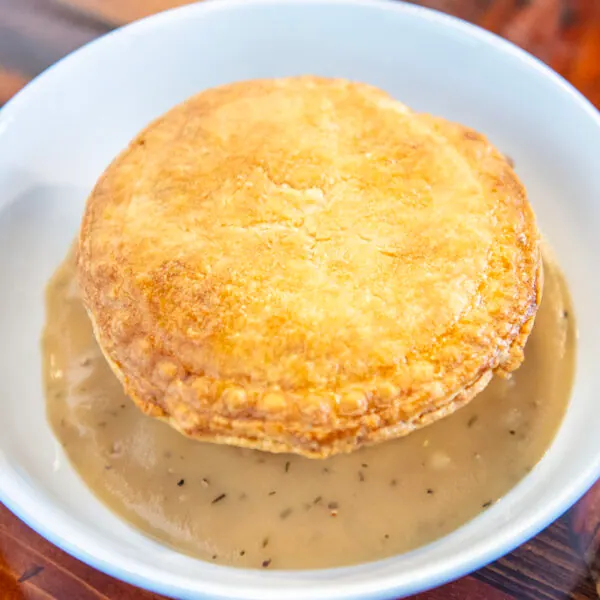
Sweet pies get attention, especially online, but savory pies are often what turn a novelty visit into a habit. A well-made savory pie can carry lunch in a way few cafe foods can. It is warm, compact, filling, and easy to portion. More important, it offers comfort without requiring compromise on quality.
Savory pie is also harder to do well than many people think. Fillings must be rich enough to satisfy, yet not so wet that the crust steams itself from within. Meat needs proper browning to build flavor. Vegetables need to be cooked enough to avoid raw crunch where it does not belong, but not so much that they disappear into mush. Seasoning has to be assertive. Once pastry enters the equation, under-seasoned fillings taste even flatter.
When a cafe handles savory pies with the same care as dessert pies, it changes the identity of the business. The shop stops being merely a place for treats and becomes part of a customer’s regular meal rotation. That matters in a city where people want practical options as much as indulgent ones. The best pie cafes understand that pie can anchor lunch, dinner, weekend gatherings, and holiday dessert all in the same week.
For families, savory pies also solve a familiar problem. Not everyone wants the same meal, and not every day allows time to cook from scratch. Taking home a hearty pie can feel like a middle ground between restaurant food and home food. It offers convenience, but it still reads as thoughtful.
The case for a short menu done well
Many independent cafes face pressure to broaden their menus. Add more pastries. Add breakfast sandwiches. Add elaborate drinks. Add seasonal specials every other week. There is nothing wrong with range, but pie rewards focus. The more a kitchen spreads itself, the harder it becomes to maintain consistent pastry quality.
A thoughtful pie cafe does not need fifty offerings to feel complete. What it needs is range with purpose. A handful of fruit pies, several cream pies, a few savory options, and some rotating seasonal choices can create a menu that feels abundant without becoming chaotic. In practice, a concise menu often produces better results because the staff can manage production, prep, and quality checks more carefully.
That trade-off matters. Customers sometimes equate variety with value, yet they return more reliably for consistency than novelty. If the crust is excellent every time, if the fillings taste fresh every time, and if the slices are served in good condition every time, the business builds trust. Trust is what makes people recommend a pie shop to neighbors, visiting family, and coworkers.
Pie is personal food. People bring it to birthdays, office events, potlucks, and holiday tables. They remember where a favorite slice came from. That memory is built less on endless selection than on repeated satisfaction.
Why atmosphere still matters
Food quality comes first, but service and setting shape how that quality is perceived. Pie carries emotional weight. It is associated with gatherings, grandparents, holiday kitchens, roadside diners, and after-dinner rituals. A pie cafe that understands this does not need to become theatrical or kitschy. It simply needs to feel welcoming and grounded.
That can mean a display case that invites browsing rather than rushing. It can mean staff who know the difference between tart and sweet options and can steer someone toward a slice based on preference. It can mean coffee that is strong and clean enough to support dessert rather than fight it. It can even mean practical considerations like how the pie is boxed for transport so it arrives home intact.
These details seem small until they go wrong. A beautiful pie packed poorly can slide apart before it reaches the table. A staff member who cannot explain the fillings creates hesitation where excitement should be. A room that feels chaotic or impersonal can drain some of the pleasure from what should be a simple comfort.
At its best, Pie Cafe Colorado Springs is not just selling baked goods. It is staging a familiar kind of ease. You walk in, choose something that sounds good, and trust it will deliver. That reliability is part of homemade flavor too. It is not only what happens in the crust or custard. It is the whole experience surrounding the slice.
Pie rewards patience, and customers can taste that
Fast service has its place, but pie is one of the clearest examples of food that improves when nobody rushes the process. Dough needs rest. Fillings often need cooling before assembly. Baked pies must settle before slicing or they collapse. Cream fillings need time to set. Whipped toppings are best handled close to service. Even a day’s workflow affects the result.
This is one reason handmade pie remains relatively rare compared with cookies, bars, and cakes. It ties up labor and space. It asks for planning. It gives you less room to improvise at the last minute. For a cafe willing to embrace that reality, the reward is a product with a sense of care built into it.
Customers respond to this even if they never see the back kitchen. They notice that a fruit slice holds together. They notice that the crust stays crisp. They notice that the cream pie tastes freshly assembled rather than refrigerated into dullness. Those signals communicate patience.
And patience, in food, often reads as generosity.
What regulars usually look for
People return to a pie shop for different reasons, but the pattern is familiar. Some are chasing a specific favorite, perhaps a tart apple with a well-browned top crust or a chocolate cream pie that is not overly sweet. Others want a dependable stop for coffee and a slice during the week. Still others are there because pie solves social occasions elegantly.
The strongest pie cafes tend to meet all of those needs without losing their core identity. They do not need to be everything to everyone. They simply need to understand why people seek pie in the first place. Usually it comes down to comfort, celebration, and the desire for food that feels made rather than manufactured.
That is especially important in a city where residents and visitors have no shortage of places to eat. To stand out, a pie cafe has to offer something more than sugar and nostalgia. It has to deliver craftsmanship with enough warmth that the experience feels personal.
One practical sign of that balance is how well the shop handles both impulse purchases and planned orders. A customer who drops in for one slice should feel as satisfied as the customer ordering a whole pie for a gathering. The standards should not shift dramatically between those two transactions. If anything, the everyday slice is the more important test, because that is where reputation is built.
Homemade flavor is a chain of decisions
People often talk about homemade flavor as though it were a single quality, almost magical. It is more useful to see it as a chain of good decisions. Use ingredients with real flavor. Mix the dough without abuse. Chill it properly. Taste the fruit. Adjust sugar and acid. Bake long enough to brown the crust fully. Let the pie cool before cutting. Serve it at the right temperature. Train the front staff to treat it with care.
Break any https://eduardovcxh046.inkharbory.com/posts/the-best-times-to-visit-pie-cafe-colorado-springs-for-fresh-pie link in that chain and the result suffers. Get most of them right and even a simple pie can feel memorable.
That is the deeper appeal behind a place like pie cafe colorado springs. Not novelty for its own sake, not flashy pastry trends, but the steady competence required to make familiar food feel worth seeking out. There is dignity in that kind of baking. It respects the customer, the ingredients, and the tradition without becoming trapped by sentimentality.
A slice of pie is not complicated on paper. Flour, fat, fruit, cream, sugar, eggs, spice. Yet the gap between ordinary and excellent remains surprisingly wide. The best pie cafes bridge that gap with repetition, judgment, and care. Every good slice carries evidence of those choices.
And that is why people come back. Not because pie is fashionable, and not because comfort food needs a marketing story. They come back because a properly made pie still feels generous in a way few desserts do. It feeds memory, appetite, and occasion all at once. When a cafe can deliver that consistently, homemade flavor stops being a slogan and becomes the thing customers trust with every order.
3.14 Pi Bar
5152 Centennial Blvd
Colorado Springs, CO 80919
(719) 314-6172
FAQ About pie cafe colorado springs
Does 3.14 Pi Bar serve sweet and savory pies?
Yes. The café serves savory pot pies and seasonal sweet pies made from scratch. Flavors can vary.
Can I order a whole pie to take home?
Yes. The café sells whole sweet pies to take home. Check the current menu for flavors and ordering options.
Does 3.14 Pi Bar offer take-and-bake pies?
Yes. The café offers prepared pies that you can bake at home. Check the current menu for available varieties.